
The Right Masking System: How an O...
- Home
- news & articles
- The Right Masking System: How an Overlooked Prep Step Quietl

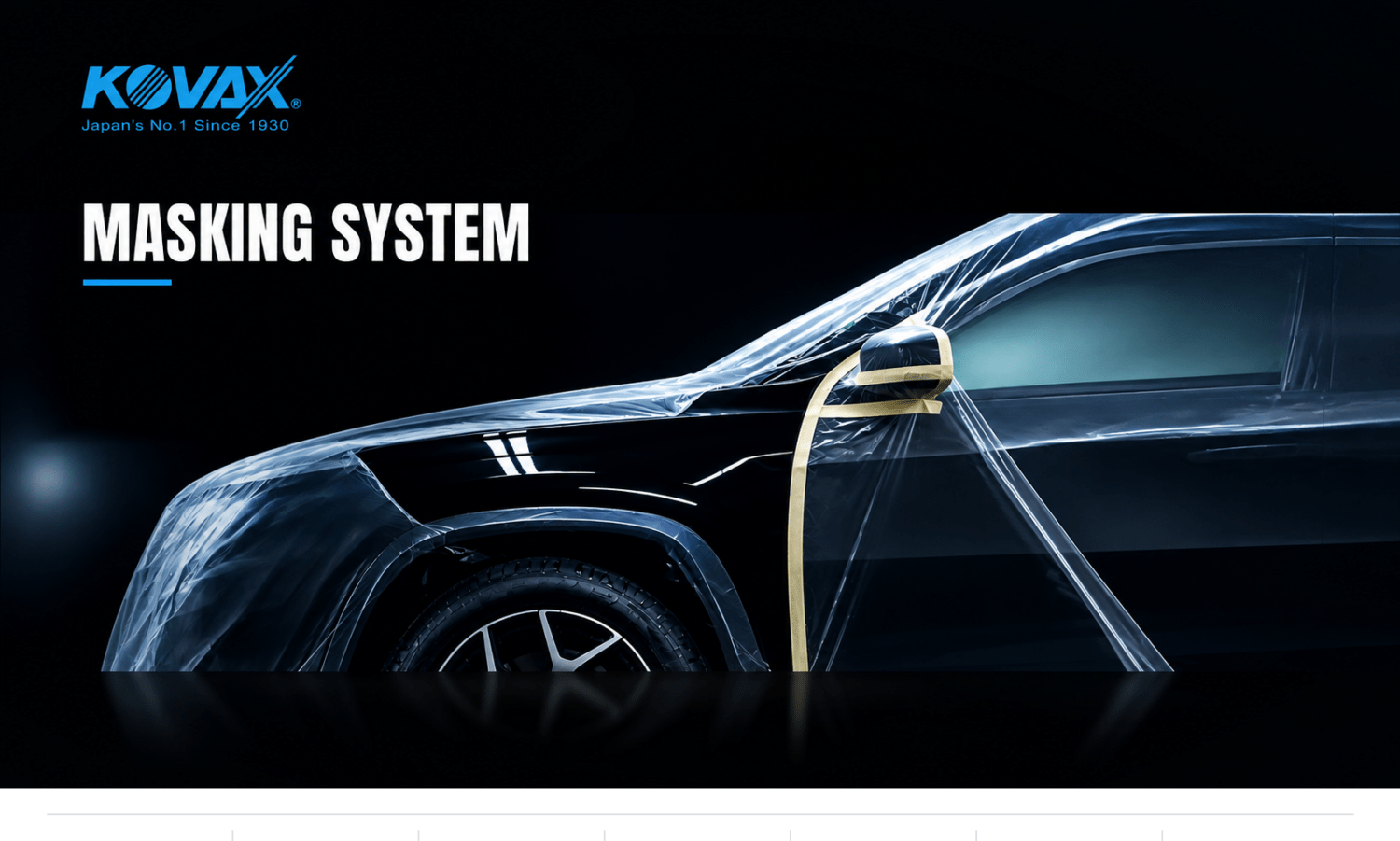
Masking is one of the least discussed stages of a repair—and one of the most repeated. Every job, regardless of panel size or paint type, starts with it. Because it’s treated as a low-skill, low-cost step, it’s rarely audited for the time it consumes or the inconsistency it introduces from technician to technician.
The question isn’t just “how much does masking range cost?”—it’s “how much technician time is spent choosing, cutting, layering, and redoing masking materials that weren’t matched to the job in the first place, and what happens to that number once the right range is in place?”
Rising demand on repair time, combined with a largely fixed supply of technician hours, is what makes time the real constraint in a modern Bodyshop — more so than material cost ever was. That shift points directly to the opportunity: the right masking range targets exactly the kind of repeated, overlooked time loss that a fixed workforce can no longer afford to ignore.
Why a Mismatched Masking Approach Falls Short
Most Bodyshop’s don’t have a masking “system”—they use whatever tape happened to be ordered. That creates a chain of small, repeated inefficiencies:
The Complete Kovax Masking Range
Rather than relying on one general-purpose tape, a matched range assigns the right product to each stage of the job:
| Product | What’s it built for | Where the Time/Cost Saving Shows Up |
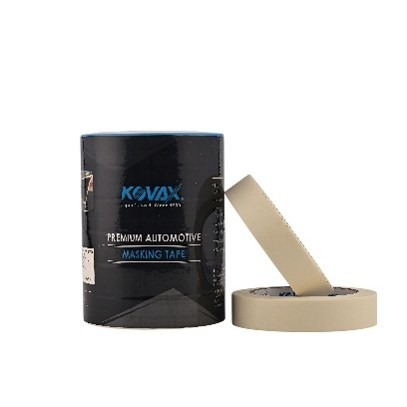 Premium Automotive Masking Tape |
Everyday masking across standard panel and bumper jobs | Consistent adhesion means no re-taping mid-job |
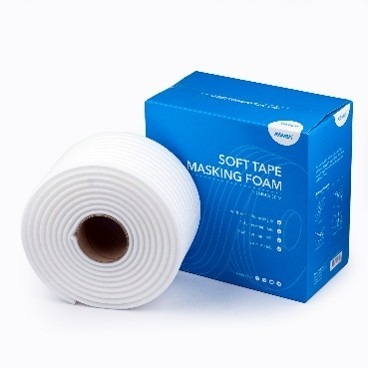 Smooth Edge Foam Tape |
Gap and channel masking — door edges, seals, uneven surfaces | Conforms without hand-cutting or layering multiple tapes |
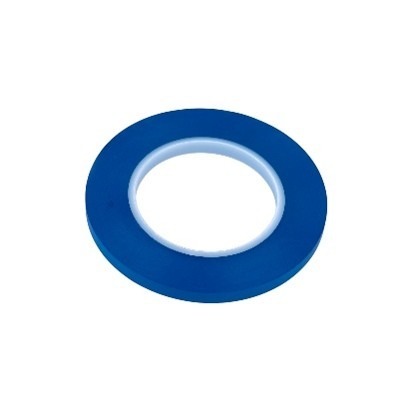 Fine Line Tape |
Precision masking for two-tone jobs, stripes, and graphics | Crisp paint line on the first pass — no touch-up or re-masking for bleed |
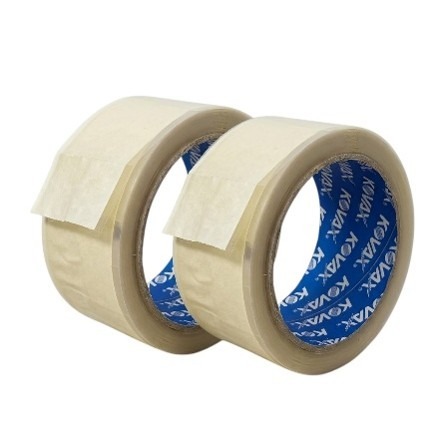 Trim Masking Tape |
Fine-edge masking along trims, moldings, and body lines | Fewer clean-up passes on overspray at edges; a cleaner line the first time |
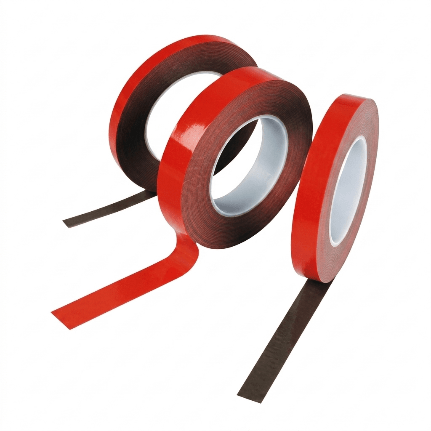 Double Sided Acrylic Tape |
Permanent mounting of trims, emblems, moldings, and exterior accessories | Replaces rivets/adhesive-cure wait time — no drilling, no clamp-and-wait |
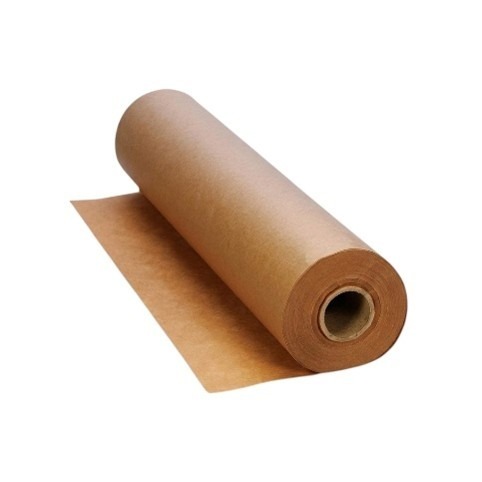 Brown Masking Paper |
Higher heat-resistance masking for bake/oven-cured stages | No residue or lifting at oven temperatures — avoids rework |
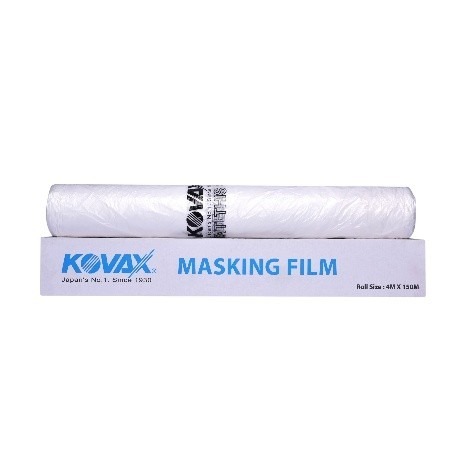 OPS Masking Film |
Large-area coverage — glass, adjacent panels, interiors | Pre-folded/pre-taped options significantly cut unroll-and-tape time |
For an individual dealer Bodyshop, a matched masking range and a PPS typically shows up in three ways:
Given that time—not material cost—is now the binding constraint, the case for a matched masking range and a PPS system becomes clear when you look at where time is being lost:
Masking applications are rarely reviewed for profitability because they don’t feel like the “real” repair work. But they happen on every job, every day—which makes them one of the most reliable, repeatable places a network can recover technician time, without touching a single cycle-time promise or customer-facing process.

Bodyshop capacity has become a strategic concern for OEMs and dealer networks alike, not just a floo...
Bodyshop profitability has become a strategic concern for OEMs, not just a dealer-level metric. Risi...


Experience the Kovax India difference – a partner you can rely on for quality, precision, and excellence in surface finishing.
